
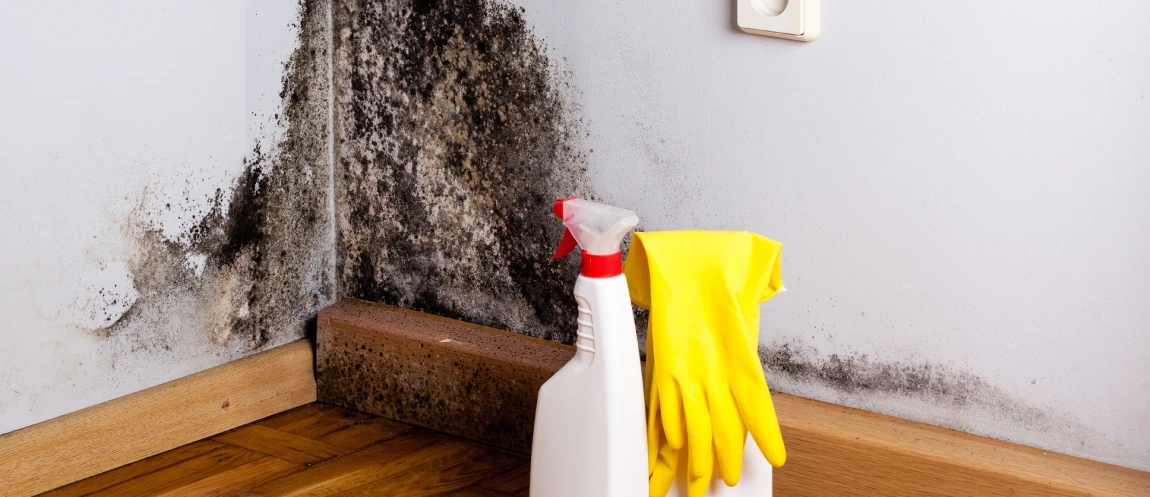

Mold has a way of creeping into corners, cracks, and crevices, thriving quietly until it becomes a serious problem. At first, it might look harmless. A little patch near the bathroom vent. A faint, musty smell in the basement. But not all mold issues are surface-level or solvable with a scrub brush. When mold starts digging in deep, simple cleaning won’t cut it. That’s where mold remediation comes into play.
Not Just a Stain, A Warning Sign
Mold is a living organism, not just a surface blemish. It spreads through airborne spores, which means if you’re seeing it, there’s likely more you’re not. Left unchecked, mold can compromise structural materials, degrade indoor air quality, and even impact your health.
Here’s how to tell when it’s time to stop cleaning and start calling a professional cleaning service:
1. Recurring Mold in the Same Spots
If mold keeps coming back after cleaning, it’s not a cleaning issue; it’s a colonization issue. Mold can root into porous surfaces like drywall, wood, or carpet underpadding. Surface-level wiping only removes what’s visible.
What does it mean:
There’s a hidden moisture problem or a deeper infestation that’s feeding the growth.
2. Moldy Smells with No Visible Source
Sometimes the nose knows before the eyes do. If a space smells damp, earthy, or musty, especially after rain or high humidity, it’s a strong indicator that mold is growing somewhere out of sight. Think inside wall cavities, beneath flooring, or behind appliances.
What does it mean:
Mold remediation cleaning is necessary to uncover and eliminate hidden growth.
3. Health Symptoms That Don’t Go Away
Unexplained allergies, headaches, skin irritation, or breathing issues can sometimes be linked to indoor mold exposure. Vulnerable individuals, such as children, the elderly, or those with asthma, may notice symptoms sooner.
What does it mean:
Mold spores are affecting indoor air quality, and your health could be at risk.
4. Past Floods or Water Leaks
Any area that has experienced flooding or serious leaks becomes a breeding ground for mold. Even if the water’s gone, residual dampness inside walls or beneath surfaces creates the perfect environment for mold to grow undisturbed.
What does it mean:
Mold remediation is likely needed even if no mold is visible yet.
5. Visible Growth Over Large Areas
Small mold patches under 10 square feet might be safe for DIY cleanup. Anything more significant needs professional handling, not just for thorough removal, but also for containment to prevent spreading.
What does it mean:
You’re dealing with more than surface damage. It’s time for expert intervention.
Mold Remediation vs. Cleaning: What’s the Difference?
Regular cleaning removes surface-level dirt, grime, and even some mold. Remediation, on the other hand, targets the root of the problem. It involves identifying moisture sources, isolating contaminated areas, and using specialized equipment and products to safely remove mold and restore affected spaces.
Key elements of professional remediation:
- Moisture source identification and correction
- Air filtration to capture mold spores
- Removal and disposal of contaminated materials
- Thorough cleaning and disinfection of affected areas
- Post-remediation testing to confirm success
Protecting Your Space and Your Peace of Mind!
Mold remediation cleaning isn’t just about aesthetics. It’s about restoring safety and comfort in your living or working environment. Delaying professional help can result in structural damage, rising health costs, and even a decrease in property value.
If you’re dealing with persistent mold, it’s time to act. DLL Cleaning Services offers expert mold remediation backed by experience and trust. If it’s a hidden problem or a full-scale infestation, the right team can make your space safe again.
Need help with mold that just won’t quit? Contact DLL Cleaning Services today for expert mold remediation solutions!
Frequently Asked Questions
What is the difference between mold removal and mold remediation?
Mold removal focuses on eliminating visible mold, while remediation addresses the underlying causes, stops the spread, and ensures it doesn’t return.
Can mold grow back after cleaning?
Yes. If the moisture source isn’t fixed or spores are left behind, mold will likely return, even after thorough cleaning.
Is mold dangerous to health?
Prolonged mold exposure can cause allergic reactions, respiratory problems, and skin irritation, especially in sensitive individuals.
How long does mold remediation take?
Most residential jobs can be completed in 1–5 days, depending on the severity and extent of contamination.
When should I call professionals for mold remediation cleaning?
Call professionals when mold keeps returning, covers a large area, has no visible source, or is linked to health symptoms or past water damage.
Author Profile

- At DLL Cleaning Services, we believe a clean space is more than just tidy — it's peace of mind. Our professional team is background-checked, insured, and trained to deliver a thorough, reliable clean every single time. We serve Manhattan, Brooklyn, Queens, the Bronx, Yonkers, and surrounding areas with residential and commercial cleaning services tailored to your schedule and needs. Whether it's a weekly refresh, a deep clean, or a move-in/move-out service, we show up on time and leave your space spotless. Your satisfaction is our standard — not just our goal.
Latest entries
 BlogsSeptember 23, 2026How Much Do Office Cleaning Services Cost?
- BlogsSeptember 23, 2026Benefits of Hiring Professional Office Cleaners
- BlogsSeptember 23, 2026Janitorial vs. Commercial Cleaning: What’s the Difference?
- Deep CleaningSeptember 23, 2026How to Deep Clean Your Home: A Room-by-Room Checklist